


Why Medical Claims Are Rejected in Nphies & How to Reduce It
Every rejected claim is delayed revenue and duplicated effort. The frustrating part is that most rejections aren’t about a dispute over the medical service itself, but about procedural errors that could have been avoided before submission: incomplete data, imprecise coding, or a missing authorization. Understanding these causes is the first step to cutting your facility’s rejection rate.
In this guide we review the main reasons medical claims are rejected in Nphies, clearly categorized, then practical steps to reduce them and raise your first-pass acceptance rate.
Why rejection costs more than you think
When a claim is rejected, you don’t just lose its value. You lose hours of review and correction, you delay incoming dues, and you add a burden on your team that pulls it away from more important work. And as rejections pile up, it shifts from an individual nuisance to real pressure on the facility’s cash flow.
The good news is that most rejection causes are known and recurring, and avoidable once you know where they happen.
Eligibility and beneficiary data errors
Among the most common causes, and the easiest to avoid. They include failing to verify the patient’s coverage before providing the service, a mismatch in beneficiary data between the facility’s record and the payer’s, or an expired insurance card.
Verifying eligibility electronically through Nphies before providing the service closes this door entirely, and prevents a full rejection that would otherwise have happened later.
Missing pre-authorizations
Some services require prior approval from the payer before they’re performed. Providing the service without obtaining this approval — or with an expired one — means an almost certain rejection, however sound the service is medically.
The fix is to have a mechanism that flags the services needing approval, sends the request, and tracks it electronically before the service is performed, not after.
Medical coding errors
Coding is the language the claim is read in, and any error in it leads to rejection. In the Saudi context, ICD-10-AM is used for diagnosis and ACHI for procedures. The most common coding errors:
A code not matching the diagnosis or the actual procedure provided.
Outdated codes not refreshed after the annual updates.
Incomplete coding that doesn’t cover the full service provided.
A diagnosis that doesn’t support the procedure, so it looks unjustified to the payer.
Insufficient documentation and attachments
A claim that arrives without adequate documentation is rejected even if the service is correct and the coding sound. Incomplete medical reports, supporting tests not attached, or required documents missing — all are common causes of rejection or of suspension pending additional information.
Technical errors and duplication
A type of rejection that has nothing to do with medicine or coding, but with the claim’s technical form: a format not matching Nphies standards, or a duplicate claim sent twice without the manual system catching it. This type is frustrating because it’s rejected before its content is even read, yet it’s among the easiest to avoid with a compliant system.
Practical steps to reduce the rejection rate
Reducing rejection isn’t a single event but a set of practices that work together. The most important:
| Step | Impact |
|---|---|
| Verify eligibility before the service | Prevents coverage and data rejections at the root. |
| Send and track pre-authorizations | Closes the “missing authorization” rejection door. |
| Review coding before submission | Catches coding errors before they reach the payer. |
| Pre-submission claim validation | Catches gaps, duplication, and wrong formatting early. |
| Analyze rejection causes and resubmit | Turns rejections into recovered revenue instead of losses. |
The rule is one: every error caught before submission is far cheaper than fixing it after a rejection. Pre-submission review isn’t a delay — it’s the fastest route to higher collection.
How Motalabatek helps you
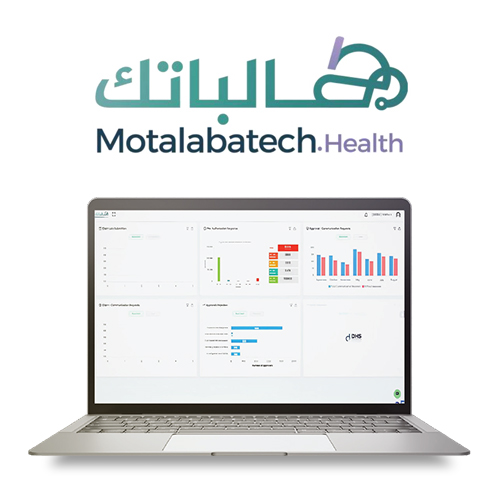
Motalabatek by DHS Arabia doesn’t just send the claim — it inspects it before it leaves the system. It includes structural, financial, and medical validation layers, along with rules-based control mechanisms, catching errors early and reducing rejection before submission.
Electronic eligibility verification and pre-authorization management.
Validation layers that catch coding, documentation, and formatting errors before submission.
Managing rejected claims and resubmitting them after correction.
The result: more accurate transactions, less rejection, and faster collection — through one Nphies-compliant platform.
Explore MotalabatekWant to lower your facility’s rejection rate?
Talk to the DHS Arabia team for a demo showing how Motalabatek reduces rejection in your real workflow.
Talk to our teamFrequently asked questions
What are the most common reasons for claim rejection?
Can a rejection cause be detected before submitting the claim?
What coding system is approved in Saudi Arabia?
What do I do with rejected claims?
This guide is general and introductory, part of the DHS Arabia series on revenue cycle management in the healthcare sector. To discuss your facility’s specific needs, direct contact with the team is recommended.